Blog

What Is COP31?

Combating climate change, protecting natural resources, and building a sustainable future are now on the world’s shared agenda. But do we know how countries are coming together to achieve these goals, what decisions they are making, and how the established goals are being translated into action?

COP31, the 31st session of the United Nations Climate Change Conference, will be held in Antalya from November 9–20, 2026. Hosted by Turkey, the summit will serve as a gathering where, in addition to official negotiations on global climate policies, solutions, technologies, and opportunities for collaboration in the field of sustainability will be shared.

Two key areas stand out within the scope of COP31: the Blue Zone, where official climate negotiations take place, and the Green Zone, where climate solutions, projects, and public engagement take center stage.

COP31 is the 31st session of the Conference of the Parties (COP) organized under the United Nations Framework Convention on Climate Change (UNFCCC). COP, an acronym for Conference of the Parties, is one of the most important international platforms where countries come together to address climate change.

COP31-Antalya-Expo

The United Nations Framework Convention on Climate Change, adopted in 1992, lays the foundation for international cooperation on climate change. The first Conference of the Parties was held in Berlin in 1995. Since then, COP meetings have addressed issues such as reducing greenhouse gas emissions, adapting to climate change, climate finance, and international climate policies.


The primary purpose of COP summits is not merely to discuss climate issues. An important part of this process is for countries to negotiate toward common goals, assess progress on existing commitments, and address steps to strengthen climate action.


COP31, the 2026 gathering of this international process, will be hosted by Turkey in Antalya.

When and Where Will COP31 Take Place?

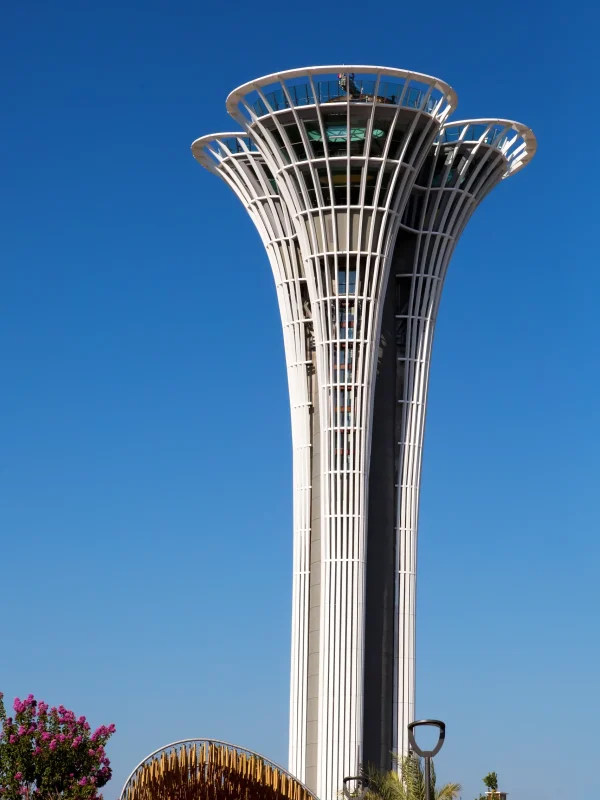
COP31 will be held in Antalya from November 9–20, 2026. The official conference venue is the Antalya EXPO Center in Antalya’s Aksu district.

The summit will bring together government representatives, negotiators, international organizations, scientists, the business community, and civil society representatives from various countries around the world.

Hosting COP31 in Antalya is significant in terms of Turkey’s role in international climate diplomacy. At the same time, the city will become an international hub where participants from various countries will come together to discuss solutions for combating climate change, sustainability, and practical implementation.

For the conference’s official program, participation requirements, and the latest announcements, please visit the COP31 Turkey official website.

What Are the Blue Zone and Green Zone at COP31?

At COP31, conference areas are organized according to different functions. Although the Blue Zone and Green Zone both support the same climate goals, they differ in terms of their management structures, activities, and access conditions.

Understanding this distinction is important for visitors, organizations, and companies wishing to attend the summit.

Blue Zone: The Hub of Official Climate Negotiations

The Blue Zone is the official conference area managed by the United Nations Framework Convention on Climate Change (UNFCCC). It serves as the hub where countries negotiate their climate policies, official meetings are held, and international climate diplomacy takes place.


The Blue Zone is the official conference area managed by the United Nations Framework Convention on Climate Change (UNFCCC). It serves as the hub where countries negotiate their climate policies, official meetings are held, and international climate diplomacy takes place.


The following main activities take place in the Blue Zone:


– Official negotiations on countries’ climate policies

– High-level meetings and leaders’ summits

– Sessions attended by national delegations and international organizations

– Events attended by accredited observers

– Press briefings, technical meetings, and official side events


Access to the Blue Zone is subject to official accreditation issued by the UNFCCC. Therefore, it should not be assumed that anyone wishing to visit the conference can enter the Blue Zone directly.


The primary function of the Blue Zone is to enable countries to negotiate common climate goals and contribute to official decision-making processes.

Green Zone: The Meeting Point for Climate Solutions and Collaboration

The Green Zone is the area at COP31 that brings climate action together with a broader range of participants. Organized under the coordination of the host country, this space hosts events, exhibitions, innovative projects, and stakeholder interactions that complement the official negotiations.


Highlighted activities in the Green Zone include:


– Exhibitions of climate technologies and innovative solutions

– Organizational and national promotional areas

– Speeches, panels, and workshops

– Cultural and artistic events

– Sharing of academic studies and research projects

– Opportunities for collaboration, communication, and partnerships


Representatives from the private sector, academic institutions, civil society organizations, startups, youth groups, and visitors interested in climate action are among the target participant groups for the Green Zone.


Thus, the fight against climate change is not limited to diplomatic talks alone; it also creates a space for showcasing solutions developed across various sectors, sharing experiences, and establishing new collaborations.


Those wishing to attend the Green Zone as visitors must review the official registration and participation requirements for COP31.

What Is the COP31 Action Agenda?

One of the key components of COP31 is the Action Agenda, which aims to support climate action through concrete measures.


The Action Agenda brings together priority themes that encompass different sectors and needs in the fight against climate change. The goal is to ensure that climate goals do not remain merely at the policy level but are supported through implementation, investment, technology, and collaboration.

1. Zero Waste

Reducing waste generation, using resources efficiently, and promoting circular economy solutions are at the heart of this section. The goal is to increase the contribution of waste management to climate action.

2. Oceans and Seas

This section addresses the protection of marine ecosystems, strengthening the resilience of oceans to climate change, and harnessing the potential of blue carbon.

3. Food Security

The goal is to develop sustainable and climate-resilient food systems and to strengthen processes spanning from production to consumption.

4. Climate-Resilient Cities

The focus is on making cities more resilient to the effects of climate change, developing livable spaces, and strengthening infrastructure.

5. Climate Action Bridge

The goal is to establish a link between climate targets and their implementation. Bringing together priorities, investment opportunities, and actions forms the foundation of this approach.

6. Youth and Education

The goal is to support youth participation in climate action, raise awareness through education, and strengthen the role of young people in solution-development processes.

7. Green Industrialization

Supporting the low-carbon transition in industry, maintaining competitiveness, and promoting a just transition are key components of this theme.

8. Clean Energy Transition

The focus is on scaling up clean, reliable, and accessible energy systems; accelerating the energy transition; and supporting access to energy.

9. Rio Synergy

The goal is to address interconnected environmental issues—such as climate change, biodiversity loss, and desertification—collectively.

10. Dynamic and Resilient Health Systems

The goal is to develop resilient, low-carbon, and accessible health systems capable of withstanding the health impacts of climate change.


In addition to these themes, elements such as financing, technology, and capacity building are addressed as common components that support climate action across various sectors.

COP31 and the Circular Economy: Using Resources More Efficiently

The circular economy aims to move beyond the traditional linear model, which consists of the stages of resource extraction, production, use, and waste. It supports preserving the value of products and materials for as long as possible, reducing waste generation, and promoting the revaluation of resources.


This approach is not limited to recycling alone. It requires an evaluation of the entire process—from product design to end-of-life, and from reuse to material recovery.

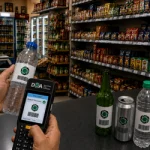
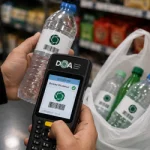
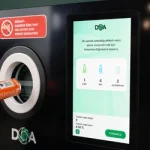
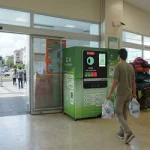
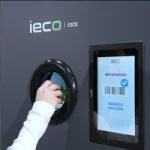
For example, the separate collection of beverage packaging and its diversion to appropriate recycling processes can contribute to returning materials to the economy. Deposit-return systems are also among the tools that support this process by encouraging consumers to return their packaging to designated drop-off points.

However, technological infrastructure alone is not sufficient for these systems to be effective. Accessible return points, efficient logistics, accurate information, and user participation are also crucial.

The widespread adoption of the circular economy approach requires collaboration among various stakeholders in areas such as resource efficiency, waste management, and sustainable production. International platforms like COP31 offer important opportunities for sharing these practices and experiences.

Who Can Attend COP31?

Participation in COP31 varies depending on the event area and the participant’s role.

Access to the Blue Zone: The official UNFCCC accreditation process applies to national delegations, international organizations, accredited observers, media representatives, and other authorized participants.


Participation in the Green Zone: Companies, civil society organizations, academic institutions, startups, youth groups, and visitors interested in climate action are among the participants this area targets. There is an official registration process for visitors.

Hosting an exhibition, organizing an event, providing sponsorship, or attending as a visitor in the Green Zone does not follow the same application process. Organizations and individuals should check COP31’s official pages to determine the type of participation that is appropriate for them.

For up-to-date information, please review the COP31 Visitor Guide, the Green Zone, and the Blue Zone pages.

Share: