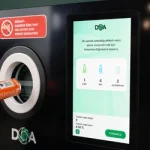
The success of the Deposit Return Scheme (DRS) in the field depends not only on consumers’ return habits but also on how these return processes are managed. This is where Field Operation comes into play, serving as a critical framework that manages the entire operational process—from the return of packaging to its arrival at the recycling facility. From a B2B perspective, it is not merely a collection model but a system that integrates logistics, data, and operational management. For businesses, the proper implementation of this system is a direct factor affecting both legal compliance and operational efficiency.
Why Is Field Operation Important?
The deposit system is not a standalone recycling model; it is a structure that cannot be sustained without on-site management. Key benefits provided by Field Operation:
Controlled and traceable collection of packaging
Maintenance of recycling quality
Optimization of logistics processes
Transparent data management for all stakeholders
While deposit systems increase recycling rates by encouraging consumers to return products, Field Operation enables on-site organization.
Why Are Deposit Systems Unsustainable Without Field Operation?
Deposit systems are based on a simple theoretical model: the consumer purchases a product, returns the packaging, and receives a refund of the deposit. However, operating this process on a large scale and in a sustainable manner requires robust operational management in the field. In scenarios where Field Operation is not effective, the following risks arise:
Disorganized and unplanned collection operations
Inability to optimize logistics processes
Reduced recycling efficiency due to improper sorting of packaging
Operational and financial errors due to data gaps
Risk of misuse due to insufficient control mechanisms
For this reason, Field Operation forms the operational backbone of the deposit model in the field. Without field management, it is impossible for the system to operate in a sustainable and scalable manner.
How Does Field Operation Work?
The Field Operation proceeds through specific, standardized steps. This structure enables operational control, particularly in large-scale businesses.
1. Consumer Return Process Deposit-bearing packaging is returned to the system via Reverse Vending Machines (RVMs) or manual return points. 2. On-Site Collection and Sorting Packaging accumulated at return points is sorted by material type and stored in accordance with specific standards. 3. Planned Logistics Management Collection processes are executed based on data-driven planning rather than demand. This reduces unnecessary logistics movements. 4. Counting and Verification Collected packaging is inspected at counting and verification centers. This stage is critical for both payment accuracy and system reliability. 5. Recycling Process Verified packaging is shipped to recycling facilities and reintroduced into the production cycle.
This operational chain enables the establishment of a system where every step is under control.
The Role of the Field Operator
The on-site implementers of Field Operation are operators authorized by the Turkish Environment Agency. Operators are not merely collection companies, but also:
Plan field operations Monitor processes through digital systems
Facilitate integration between businesses and the system
Manage logistics and data flow
as professional entities. Therefore, selecting the right operator is a critical decision that directly impacts system performance.
Digitalization: The True Power of Field Operation
In modern deposit systems, digital infrastructure is just as important as physical operations. Thanks to the digital systems used within the Field Operation framework:
Packaging movements are tracked in real time
Return, collection, and verification data are consolidated on a single platform
Operational performance becomes measurable
Financial processes are managed transparently
This structure enhances reliability in multi-stakeholder deposit systems while also enabling scalability.
Benefits of Field Operation for Businesses
The most significant impact of Field Operation is that it standardizes the process by reducing the operational burden. Key benefits:
Elimination of unplanned waste management
Consistent and predictable logistics processes
Access to additional revenue and incentive mechanisms
Compliance with legal requirements
More efficient use of resources
Especially for retail, HoReCa, and large-scale consumption points, this system is not merely a requirement; it is also an operational advantage.
Field Operation is the on-site counterpart of the deposit model. By managing the entire process from the return of packaging to its arrival at the recycling facility, it ensures the system’s sustainability.
In today’s deposit systems, success is determined not only by infrastructure investment but also by how that infrastructure is managed in the field. For this reason, Field Operation should be considered a mandatory component of deposit systems, not an optional one.