What Retailers Need to Know About Deposit Return Systems
June 24, 2026
The expansion of Deposit Return Systems (DRS) represents not only a new regulatory requirement for the retail sector, but also a significant transformation that reshapes store operations, customer experience, and technology investments. To succeed in this transition, retailers need to approach the topic not solely from a recycling perspective, but also from the standpoint of operational efficiency and digital transformation.
The Return Process Becomes Part of Store Operations
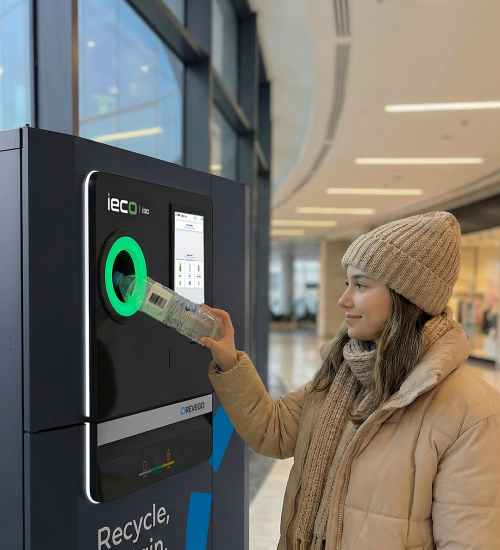
One of the key considerations for retailers is how to integrate packaging return processes into existing store operations. Especially in stores with high customer traffic, the correct placement of return points and the efficient management of these processes are critical.
Poorly planned processes can lead to congestion at store entrances, increased workload for staff, and a decline in customer satisfaction. For this reason, deposit return operations should be evaluated as an integral part of store design and operational planning.
Technology Investments Determine Success
To manage Deposit Return Systems in a sustainable way, technology is no longer optional—it is essential. In environments where manual processes dominate, operational costs increase and the risk of errors rises.
At this point, automated deposit return solutions streamline packaging acceptance, reduce staff workload, and help maintain store efficiency. For retail chains with multiple locations, technology-driven systems provide a significant advantage in establishing standardized operations.
Data Management Creates a New Operational Layer
Another critical area for retailers is data management. Information such as the volume of returned packaging, transaction intensity, store-level performance, and user behavior can provide valuable operational insights when analyzed effectively.
Therefore, businesses need to invest not only in physical infrastructure but also in centralized management, reporting, and remote monitoring capabilities. Retailers that leverage data effectively can manage their processes more efficiently and identify potential operational issues in advance.
Customer Experience Can Become a Competitive Advantage
Consumers are placing increasing importance on sustainable practices. For this reason, Deposit Return Systems should be considered not only as a recycling solution, but also as a part of the overall customer experience.
Fast, user-friendly, and easily accessible return points directly influence customers’ perception of a store. In a sector where customer loyalty is critical, seamless operations contribute positively to the overall brand experience.
Integration Will Shape the Future of Retail
The impact of Deposit Return Systems extends beyond packaging collection processes. In the future, these systems are expected to work in closer integration with in-store technologies, loyalty programs, digital payment infrastructures, and data management systems.
For this reason, retailers should prioritize technologies that are scalable, adaptable, and capable of integrating with existing systems, rather than focusing on short-term solutions.
Early Preparation Will Provide Advantage
As with every transformation in retail, businesses that manage the preparation phase effectively will gain a competitive advantage in Deposit Return Systems. Operational planning, the right technology selection, data management, and a customer-centric approach are among the key factors determining success.
Deposit Return Systems are no longer evaluated solely under environmental responsibility. Today, they have become an essential component of retailers’ digital transformation, operational efficiency, and sustainable growth strategies.