How Beverage Giants Win with Reverse Vending Machine Technology?
January 31, 2025
In today’s world, sustainability is no longer just a corporate social responsibility project; it has become one of the most critical success criteria of modern commerce. Especially in sectors like the beverage industry where packaging use is intensive, waste management is shifting from being a “cost” item to a strategic “source of value.” At the heart of this transformation lies Reverse Vending Machine technology. Global beverage giants are utilizing this technology as a lever in many areas, from operational efficiency to consumer loyalty.
So, are Reverse Vending Machine (RVM) systems just recycling bins, or are they financial tools that directly impact a company’s profitability? Here are the primary areas where beverage giants gain through this technology:
1. Security in the Raw Material Supply Chain and the "Closed Loop"
One of the largest cost items for beverage manufacturers is packaging production. The prices of virgin plastic (PET) and aluminum are directly affected by fluctuations in global markets, energy crises, and logistical problems. The Reverse Vending Machine minimizes this risk by collecting packaging from the consumer at the source and in its purest form.
A bottle thrown into an ordinary trash can becomes contaminated by contact with paper, food waste, or other refuse. This contamination lowers the quality of the material during the recycling process and makes it difficult to obtain “food-grade” plastic. However, a bottle entering an RVM is stored in isolation from contaminants. This allows manufacturers to take back the packaging they produced and use it again in bottle-to-bottle production. This closed-loop system reduces external dependency while stabilizing raw material costs in the long run.
2. Compliance with Legal Regulations and Tax Advantages
Governments worldwide are passing much stricter laws against plastic pollution. Regulations such as the European Union’s Single-Use Plastics Directive and the Deposit Refund System (DYS) in Turkey impose obligations on manufacturers to recover a certain percentage of every package they sell.
Companies that fail to meet these targets face significant carbon taxes and “plastic taxes.” Manufacturers that establish Reverse Vending Machine networks or integrate into these systems can track every package they collect digitally. The use of RVM guarantees 100% data accuracy. Thanks to transparent reporting, companies not only avoid heavy penalties but also gain access to lower-interest “green loans” through high ESG (Environmental, Social, and Governance) scores.
3. Consumer Loyalty and Next-Generation Marketing
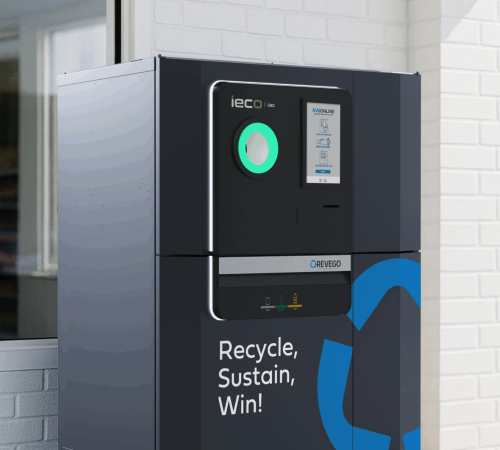
In the traditional trade model, the bond between the manufacturer and the consumer breaks the moment the product is placed on the shelf or sold. However, an intelligent Reverse Vending Machine is a new touchpoint where the brand interacts with the consumer. Modern machines offer the following advantages:
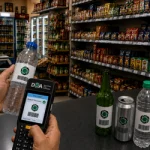
Point and Reward Systems: When consumers return a bottle, they can earn points via a mobile app or receive discounts valid for the brand’s other products.
Coupon Integration: Discount coupons printed instantly in exchange for recycling direct the consumer back to the store and the brand.
Brand Perception: Consumers, especially Generation Z, show much higher loyalty to brands that offer tangible solutions regarding the environment. An RVM is a concrete, tangible proof of the brand’s “protecting nature” promise.
4. Operational Efficiency and Data Analytics
A Reverse Vending Machine is not just a mechanical device; it is an advanced IoT (Internet of Things) device. These machines provide a massive data flow regarding which region, at what time, and what types of beverages are consumed. Beverage giants use this “big data” to optimize their logistics networks.
For example, thanks to smart software that tracks the fullness rates of an RVM network, waste collection trucks only go to the points where they are needed. This saves fuel, reduces the carbon footprint, and lowers collection costs by up to 30%. Furthermore, data on which product is consumed and returned faster in which location is invaluable for inventory management.
5. Corporate Image and Competitive Advantage
A public resistance has formed against “greenwashing”—the effort to appear environmentally friendly only through advertising. Consumers now expect action. A Reverse Vending Machine bearing your brand’s logo in the busiest squares of the city or at market entrances is the most effective and honest method of advertising. This investment sets the brand apart from its competitors and positions it as a “responsible producer.”
Particularly in collaborations with retail chains, a beverage brand offering an RVM system that drives traffic to the store can secure more advantageous positions on the shelves. For the retailer, this system is an element that increases customer traffic and strengthens the in-store sustainability image.
The Future is Hidden in "Returns"
For beverage giants, investing in a Reverse Vending Machine is not just an environmental choice; it is a move to protect and increase profitability. Raw material security, reduced legal compliance costs, and digitized consumer data are the cornerstones of the economic value provided by RVM technology.
In the world of the future, no manufacturer that does not collect its packaging or participate in the circular economy will be able to compete on a global scale. Brands that invest in this technology today will be the market leaders of tomorrow’s sustainable world. Waste is no longer trash; it is a valuable commodity that must be managed intelligently.